A $500M bet that the brain runs on 20 watts and the GPU is a detour
Flourish raised $500M (Bezos in for ~$100M) to build brain-inspired chips drawing 20–50 watts instead of GPU clusters. Whether or not it works, the efficiency premise is the right question.

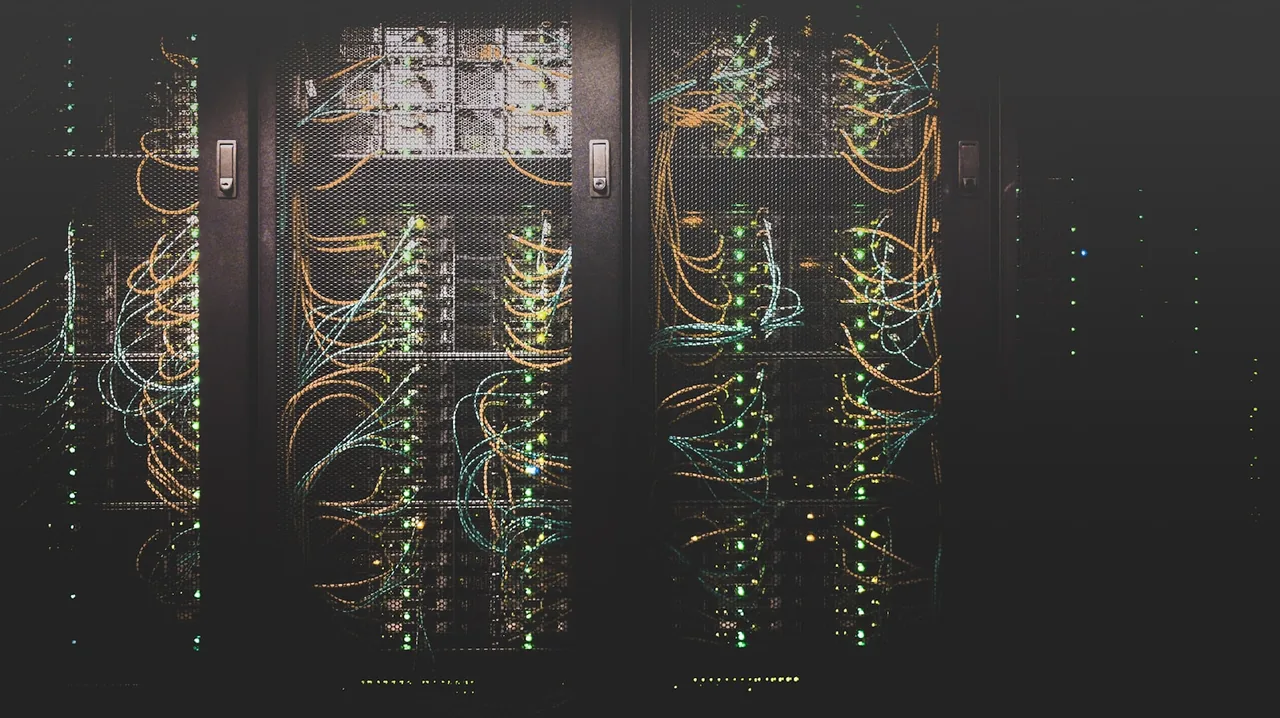
On June 4, 2026 Flourish raised $500 million at a $2.5B valuation to build "brain-inspired" AI hardware. Jeff Bezos put in about $100M, roughly a fifth of the round, alongside Alphabet's GV, Lux Capital, and Catalio. The founders are notable: Thomas Reardon (created Internet Explorer; his last company, CTRL-labs, sold to Meta for ~$1B) and ex-Amazon Rob Williams. The pitch: use connectomics to replicate the brain's "core algorithm" in silicon, targeting 20–50 watts of power draw versus power-hungry GPU clusters.
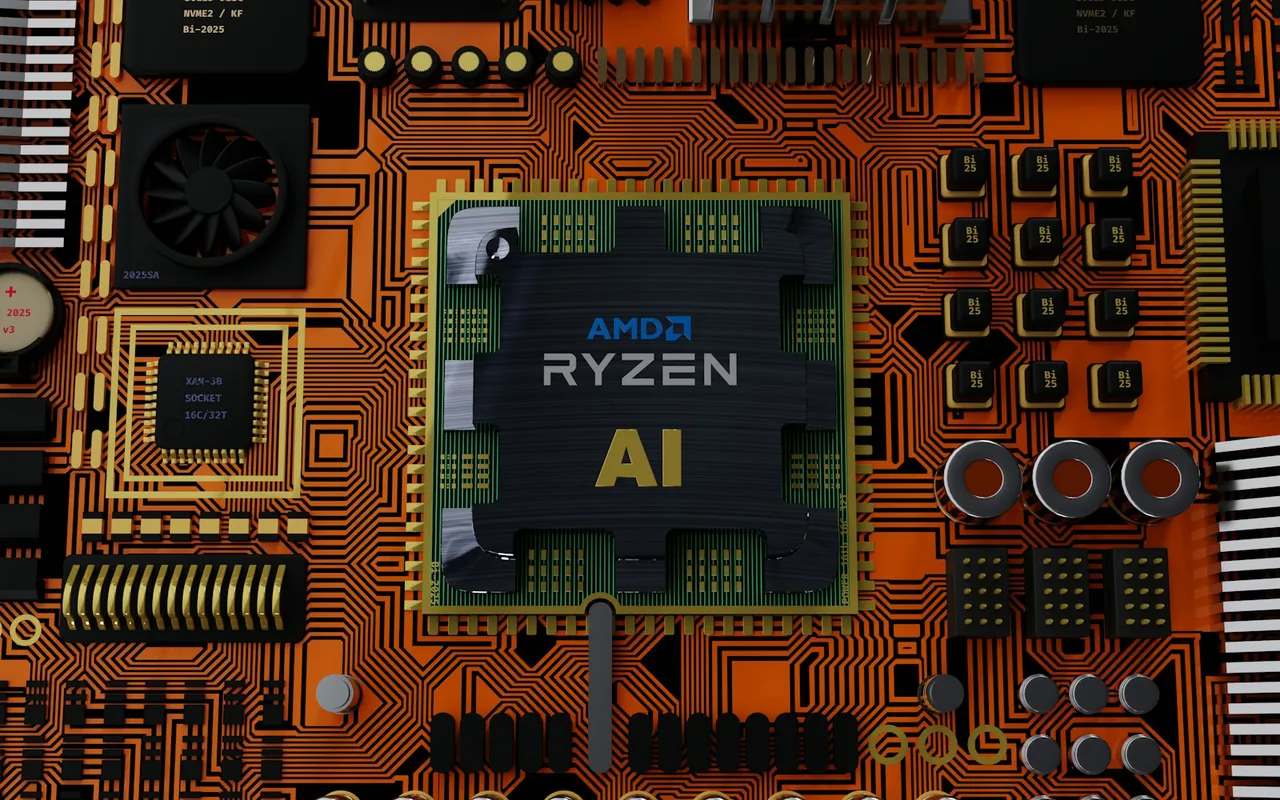
Photo by BoliviaInteligente on Unsplash.
What I take from it
I'm allergic to "brain-inspired" as a marketing word — it's done a lot of work for a lot of vaporware. But strip the biology and the premise underneath is one I take seriously: today's AI is absurdly power-inefficient, and a human brain does comparable reasoning on roughly the energy of a light bulb.
- Energy is the real ceiling, not parameter count. The constraint I keep hitting in production isn't model quality — it's the cost and power of serving it. A chip that genuinely lands at 20–50 watts would change the economics of running models everywhere, especially on-device.
- Founder track record is the only signal this early. A $2.5B pre-product valuation is a bet on people, not benchmarks. Reardon shipped IE to a billion machines and sold a neural-interface company to Meta. That's why Bezos-sized money shows up before there's a product.
- I'd treat the timeline as long. Novel silicon is a five-to-ten-year story with a graveyard behind it. Worth tracking, not worth designing around yet.
The reason I'm filing this rather than ignoring it: efficiency, not raw capability, is increasingly the thing standing between a working demo and a deployable product. A serious, well-funded attempt to attack the power problem from the chip up is the right kind of swing — even if most swings like it miss.
Sources: AI startup Flourish reportedly raises $500M backed by Jeff Bezos (SiliconANGLE).


