95% of your GPU is a donation to the cloud provider
A 2026 report pegs average enterprise GPU utilization at 5% — 95 cents of every silicon dollar sitting idle, a ~$401B waste problem. The AI infrastructure crunch was never really about capacity. It's a utilization problem, and utilization is engineering.

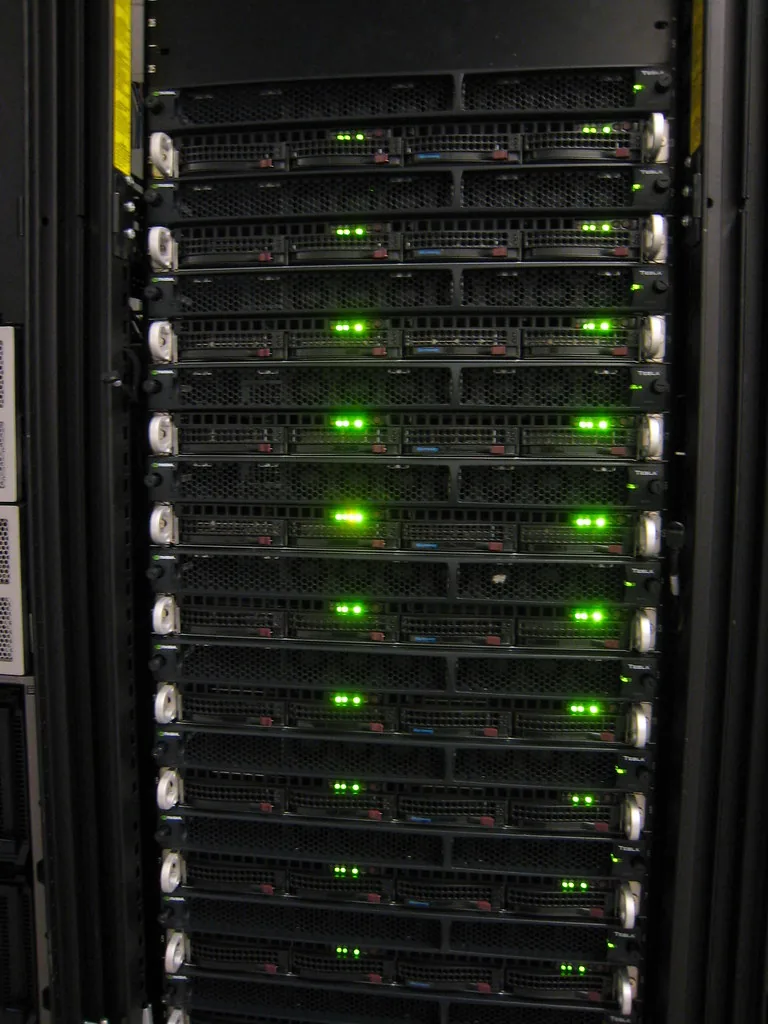
Cast AI's 2026 State of Kubernetes Optimization Report puts average enterprise GPU utilization at 5%. VentureBeat's framing is blunter: at 5%, 95 cents of every dollar spent on silicon is a donation to the cloud provider's bottom line — a waste problem it sizes at roughly $401 billion. And the mood is shifting: "access to GPUs" as a top enterprise concern fell from 20.8% to 15.4% in a single quarter. The panic moved from can I get a GPU to why is the one I'm already paying for doing nothing.
What I take from it
In any other department, a 95% waste metric is a firing offense. In AI infrastructure for the last two years it got a kinder name: "preparedness." Teams locked in capacity during the scramble because they were afraid of not having it. Now the bill is due and the racks are idle.
Here's the part that matters to me as an engineer: the bottleneck was never capacity. It's scheduling — and scheduling is an engineering problem, not a procurement one. A GPU at 5% isn't a hardware failure; it's a workload-shaping failure. I've been making this argument about CPUs and databases for years, and it turns out expensive silicon just makes the old lesson louder.
What I actually do about it:
- Separate the fast path from the fat path. Interactive inference and batch jobs have opposite shapes — one is latency-bound and bursty, the other is throughput-bound and patient. Put them on the same accelerator so the batch work soaks up the idle time the interactive traffic leaves behind.
- Autoscale to zero, and mean it. A GPU that scales down when the queue is empty is worth more than a bigger one that's always on. The hard part isn't the autoscaler; it's being honest about which workloads can tolerate a cold start.
- Right-size before you rent more. The reflex under load is to add capacity. The cheaper move is almost always to measure what you have and discover it's running at 5%.
- Treat utilization as a first-class metric. I graph it next to latency and error rate. A number you don't look at is a number that drifts to 5%.
The cheapest GPU is the one you already pay for and finally keep busy. Everything else is buying a second empty seat because the first one felt full.
Sources: Cast AI 2026 State of Kubernetes Optimization Report, 5% GPU utilization: the $401B problem (VentureBeat).