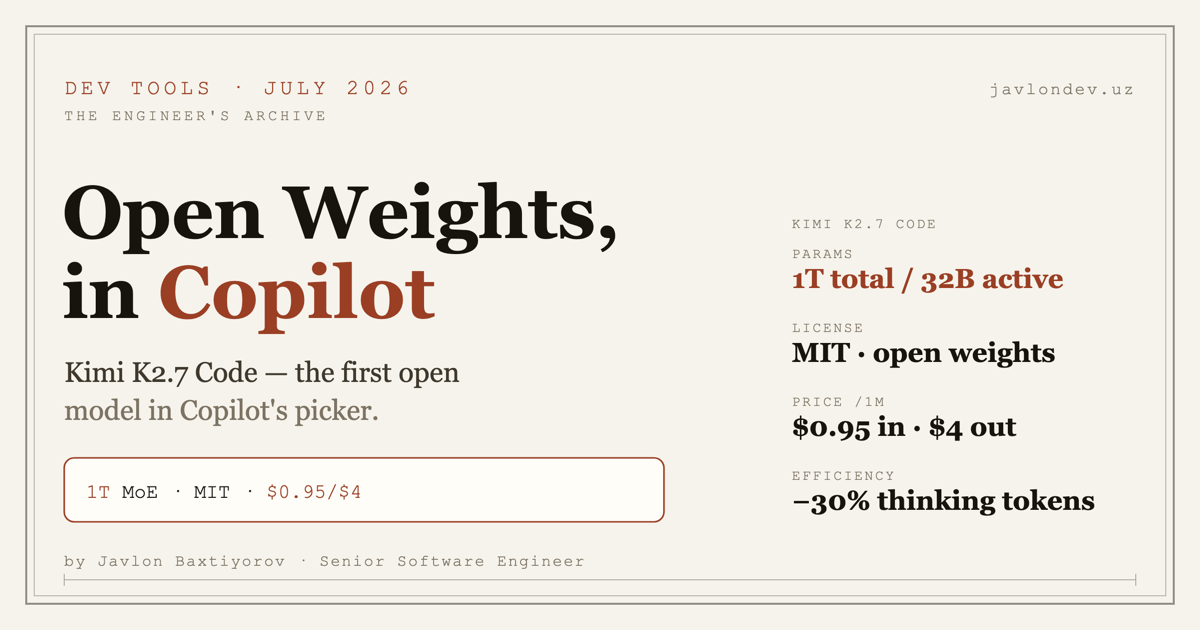
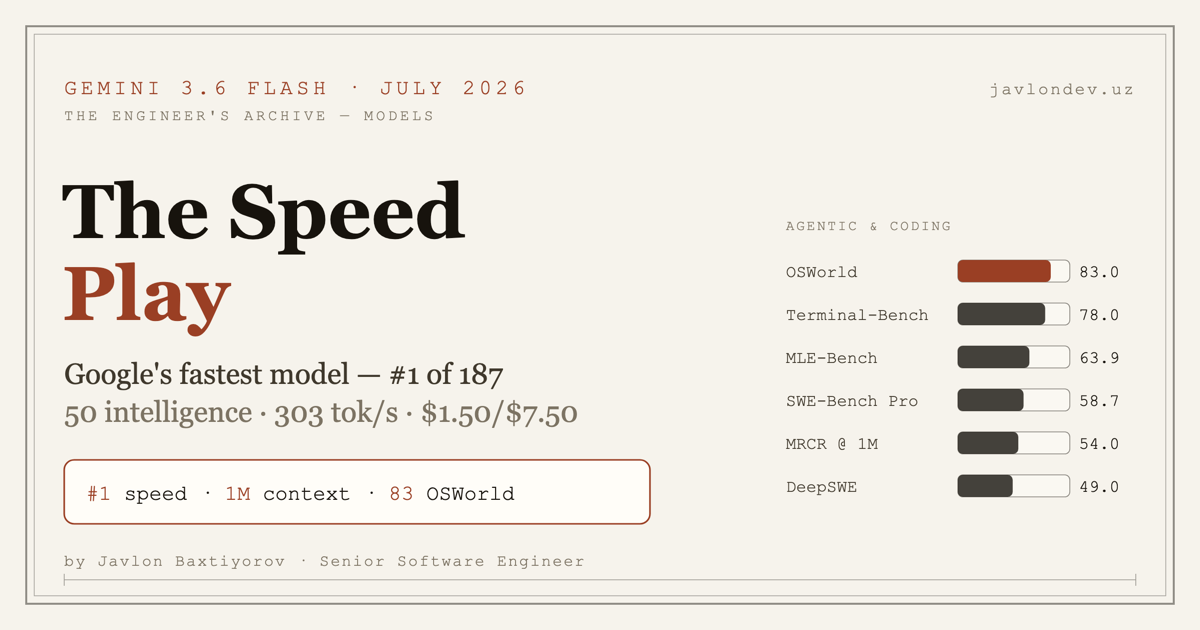
AI Coding Enters Its Agent Engineering Phase in 2026
As of June 2026, AI coding tools are moving from autocomplete and AI IDEs into engineered agent workflows, and the word that matters in that sentence is engineering.

The framing going around as of June 2026 is that AI coding has three eras: autocomplete, AI IDEs, and now engineered agent workflows. 2026 is being called "the year AI coding enters the agent engineering phase," with platforms narrowing the gap between a code assistant that suggests and a coding agent that executes. The word I keep landing on in that phrase is engineering.
Because that is the actual transition. Autocomplete was a feature you turned on. An AI IDE was an editor you opened. An agent workflow is a system you have to design, wire into your repo, give permissions, and hold accountable. That is engineering work, and pretending otherwise is how teams get burned.
Assistant and agent are different risk profiles
The gap the platforms are narrowing is not just capability. It is autonomy, and autonomy changes what can go wrong.
- An assistant suggests; I commit. The mistakes are local and I catch them at the keyboard. Worst case I ignore a bad suggestion.
- An agent acts; I review after. It edits files, runs commands, opens PRs. The mistakes are now spread across my repo and my CI, and I catch them later, if I catch them.
That shift is exactly why "engineering phase" is the right name. The interesting work moves from the model to the harness around it: what the agent can touch, what it must ask permission for, how its changes get reviewed, and how I roll back when it goes sideways. The model is increasingly a commodity input. The workflow is the thing I own.
What I want from an agent workflow
If coding agents are going to do real work in my repo, I'm going to treat the workflow itself as production infrastructure. My checklist is unglamorous and that is the point:
- Sandboxing. The agent runs where it cannot reach production secrets or mutate anything I can't easily restore.
- Diff-first output. Every change arrives as a reviewable diff, not a fait accompli. Human review stays in the loop for anything that lands.
- Reproducibility. I can see the prompt, the tools it called, and the steps it took, so a weird result is debuggable instead of mysterious.
- Portability. I don't want the workflow welded to one vendor. If a better agent shows up next quarter, swapping it should not mean rebuilding my whole pipeline.
- A cost ceiling. Multi-step agents can quietly burn tokens and CI minutes. I want a budget and an alert before the bill is the surprise.
None of this is exotic. It is the same discipline I'd apply to any new automated system that writes to things I care about.
The genuinely promising part is that calling this an engineering phase puts responsibility back where it belongs: on the people building the workflows, not on the model to be magic. I'm hedging on how far the autonomy goes this year, because "narrowing the gap" is not "closed the gap," and the last stretch from helpful to trustworthy is always the hardest. But the direction is one I can work with. Treat the agent as a powerful, fallible component, build a real harness around it, and the engineering phase is just engineering. I know how to do that.