The 2026 AI IPO Wave: SpaceX Public, OpenAI Reportedly Next
SpaceX listed on Nasdaq on June 12, 2026, while Anthropic and OpenAI both reportedly filed confidentially for IPOs, and I'm watching what going public does to a dependency.

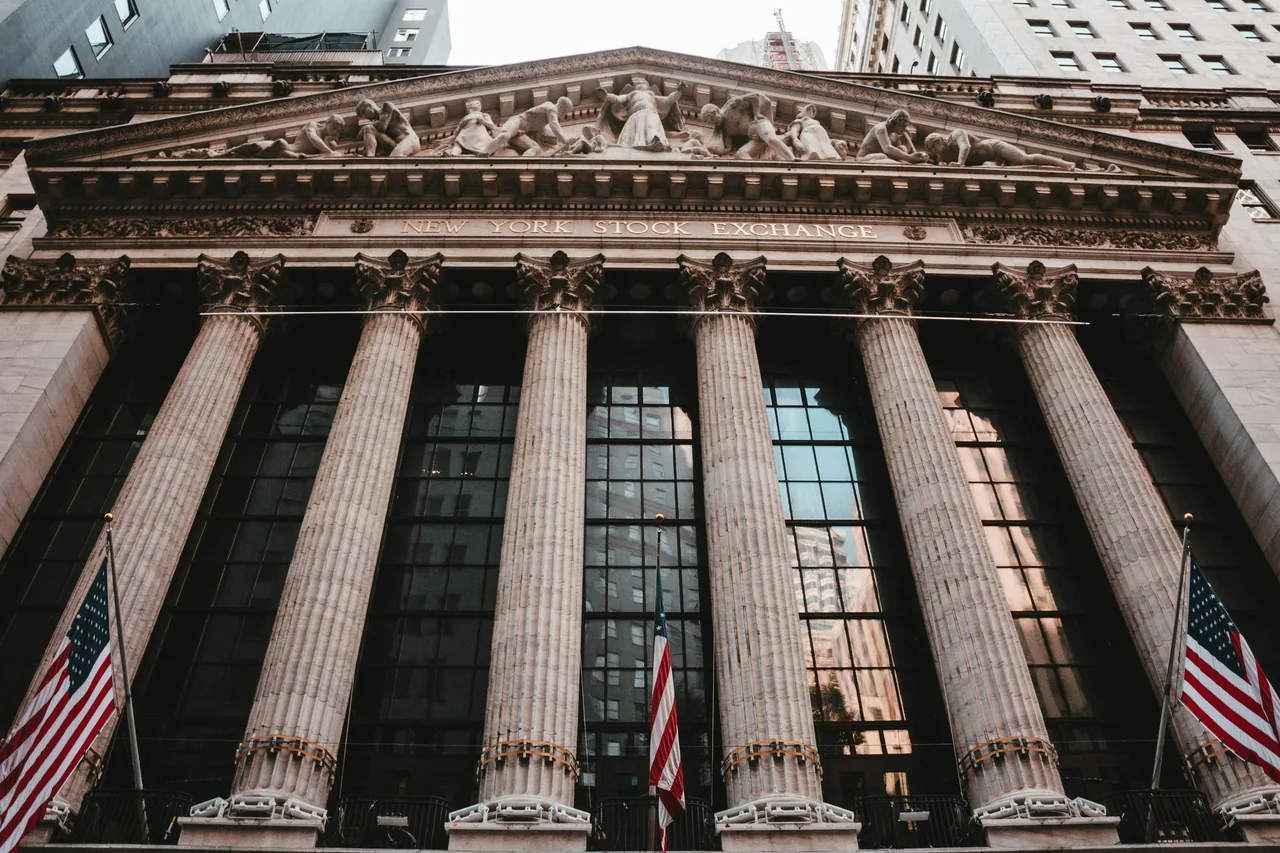
The private-market era for some of these companies is ending. On June 12, 2026, SpaceX launched its IPO, trading on Nasdaq under the ticker SPCX at $150 per share. Around the same time, Anthropic and OpenAI both reportedly filed confidentially for IPOs with the SEC, with OpenAI potentially debuting as soon as the fall.
Confidential filings are exactly that — confidential and provisional. Plans change. But the direction of travel is clear enough to think about now.
Going public changes the vendor, not just the cap table
When a company you depend on goes from private to public, the thing that changes for you isn't the logo — it's the incentive structure behind every product decision. A few shifts I'd expect:
- Quarterly accountability. Public companies answer to earnings calls. That tends to harden pricing and sharpen the line between products that make money and products that get cut.
- More disclosure. An S-1, once it surfaces, is the first time many of us will see real revenue, cost, and concentration numbers for these providers. That's genuinely useful diligence material.
- Less patience for loss-leaders. Subsidized free tiers and generous credits look different to a market that's pricing the stock on margins.
What I take from it as a builder
I don't trade these stocks and I don't have an opinion worth sharing on the share price. My concern is narrower: if a model provider I build on is heading toward public markets, how does that change the risk of depending on it?
My checklist doesn't really change — going public just raises the stakes on getting it right:
- Assume pricing gets less generous after a listing, and stress-test my cost model against a rate increase.
- Read the S-1 when it lands, specifically for revenue concentration and how much of the business rests on a few large customers. A provider leaning on a handful of whales has different stability than one with broad demand.
- Keep my integration thin enough that a post-IPO product cut — a deprecated endpoint, a sunset tier — costs me a migration, not a rebuild.
The SpaceX listing is the concrete data point: a company many assumed would stay private indefinitely is now trading on a public exchange. The Anthropic and OpenAI filings are the reportedly-soon part, and I'm treating them as signals rather than certainties until an actual prospectus exists.
What I like about this wave is the transparency it forces. For years the economics of frontier AI have been a matter of leaked figures and confident assertions. An IPO drags real numbers into daylight. As someone who has to decide whether to bet a production pipeline on one of these providers, I'd rather make that call with an audited filing in hand than a funding-round headline.
The market gets a tradable security. Builders get something more valuable — a balance sheet to read before we commit. And the timing matters here: a fall debut, if it happens, means the first hard numbers on frontier-AI economics could land within months rather than years, which is the diligence material I've wanted all along. Wait for the document, then decide.
Sources: Built In, Crunchbase News.